
Key Takeaways
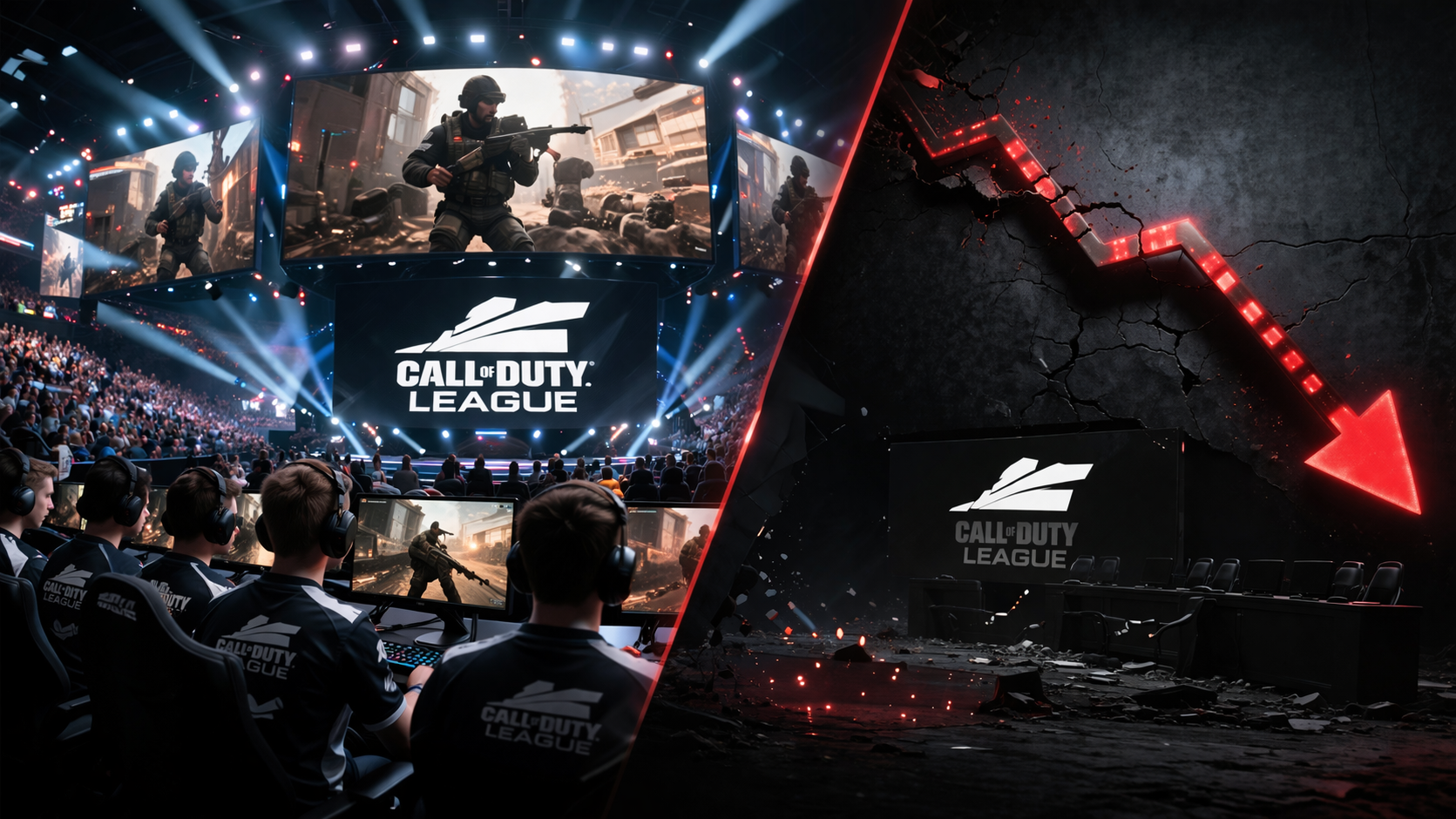
- The Call of Duty League decline is marked by reduced viewership and engagement, with fans feeling less excitement.
- Franchise model issues contribute to the decline, limiting new team entry and reducing competition.
- A weak grassroots support system hinders talent development and fan connection in the CDL.
- Frequent changes in Call of Duty titles reset progress, making it difficult to maintain storylines and player growth.
- Addressing these challenges requires significant changes to the league’s structure and fan engagement strategies.
The Call of Duty League decline has become hard to ignore in 2026. What was once positioned as a premier franchised esports league is now dealing with shrinking viewership, uncertain team futures, and increasing criticism from both fans and industry insiders.
Declining viewership and fan engagement
One of the biggest warning signs is the drop in viewership. Compared to its earlier years, the league is struggling to keep fans consistently tuned in.
Many viewers feel matches lack excitement, with formats becoming predictable and fewer memorable storylines to follow. In the past, strong rivalries and player personalities helped carry the league—but that spark feels weaker now.
On top of that, viewing habits have changed. With more esports options available, the Call of Duty League is facing tougher competition for attention than ever before.
Call of Duty League decline tied to franchise model issues
A big part of the Call of Duty League decline comes down to its franchise system. While it was meant to bring stability, it has also made it harder for new teams to join and grow the scene naturally.
The high cost of entry has kept many organizations out, and some current teams are reportedly struggling to stay afloat. That raises serious questions about how sustainable the model really is.
Because the league is closed, there’s also less pressure on teams to improve. Without promotion or relegation, the competitive edge can soften, which may affect the overall quality of matches.
Lack of grassroots support and ecosystem growth
Another issue is the lack of a strong grassroots scene. In many esports, amateur and semi-pro levels help build talent and grow fan interest—but that pipeline isn’t as strong in the CDL.
This makes it harder for new players to break into the professional scene and for fans to stay connected long-term. There’s no clear path from casual play to pro, which can limit growth.
Frequent changes in Call of Duty titles don’t help either. Each new release resets the playing field, making it harder for storylines and player development to carry over from season to season.
Challenges ahead for CDL
The Call of Duty League is now at a turning point. Fixing the decline will take more than small adjustments it may require a deeper rethink of how the league operates.
Rebuilding fan interest, investing in grassroots development, and adapting to how people watch esports today will all be crucial. Without real changes, the Call of Duty League decline could continue.
Conclusion:
The Call of Duty League decline points to bigger structural challenges within the CDL. The league still has potential, but its future will depend on how it responds to these issues. Stay tuned as things continue to evolve.
👉 Source: https://esportsinsider.com/2026/03/call-of-duty-league-reason-for-decline