
Key Takeaways
- The Call of Duty League decline raises concerns in esports as viewership struggles against competitors like VALORANT and Counter-Strike.
- Annual game releases disrupt competitive stability, forcing players to restart their skill development each year.
- Lack of continuity in gameplay hurts fan engagement, making it difficult to form lasting connections.
- Player fatigue and declining interest contribute to a shrinking active player base, affecting both casual and competitive scenes.
- Structural challenges within the league hinder growth, leading to tension between revenue goals and creating a stable esports ecosystem.
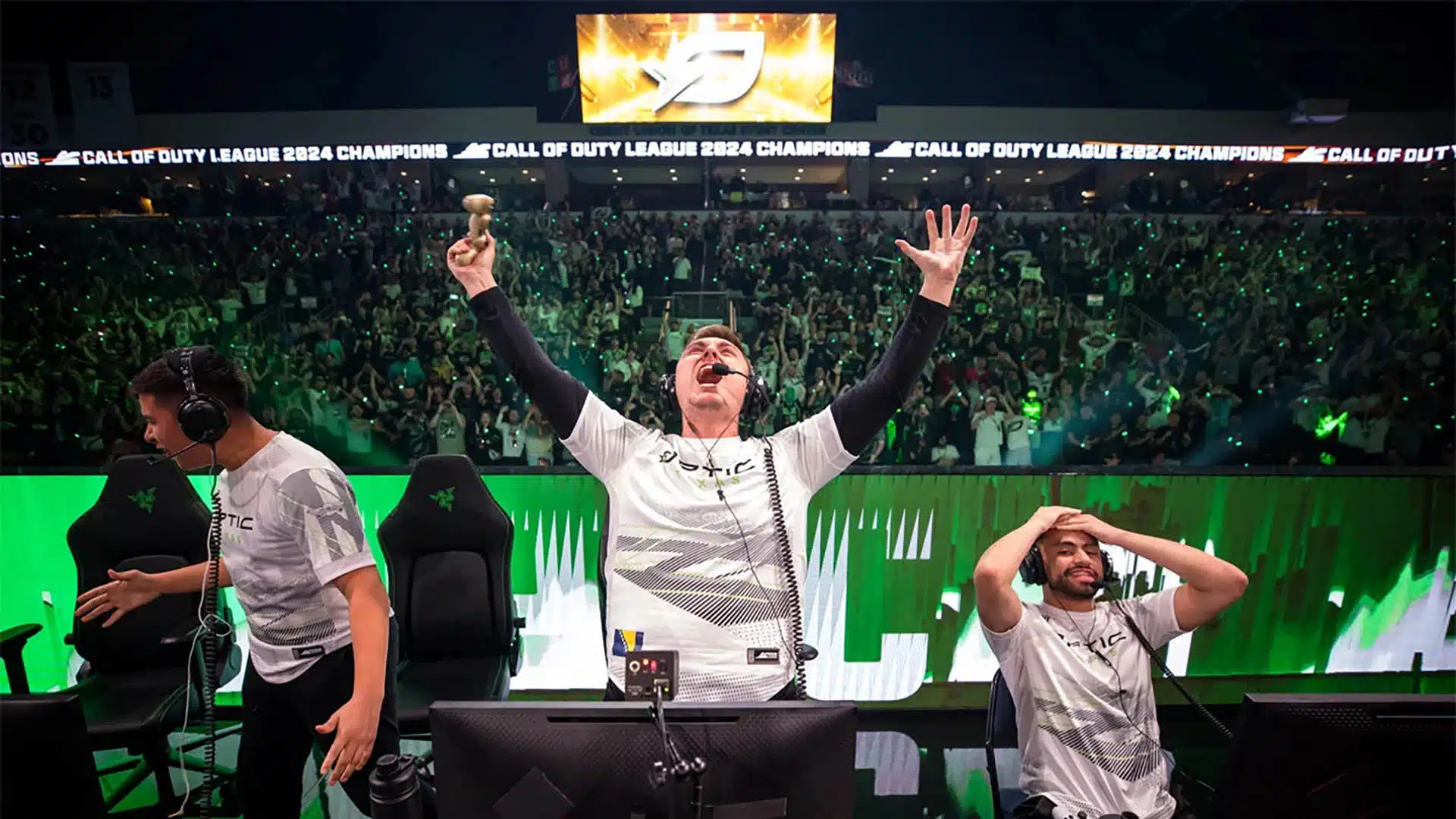
The Call of Duty League decline has become a growing concern in the esports industry, as viewership struggles to keep up with rival titles despite moments of strong performance. While the league still attracts significant audiences—reaching over 350,000 peak viewers during its 2026 Stage 1 Major—it continues to lag behind competitors like VALORANT and Counter-Strike. Industry experts suggest that the root of the problem isn’t just competition, but deeper structural issues within the franchise itself.
Annual Releases Are Disrupting Competitive Stability
One major factor behind the Call of Duty League decline is the franchise’s annual game release cycle. Each year, a new title replaces the previous one, forcing professional players and fans to adapt from scratch. Former Call of Duty executive Greg Reisdorf pointed out that this constant reset disrupts long-term skill development and continuity. Players invest thousands of hours mastering mechanics, only to start over with each new release, making it difficult to build lasting competitive narratives.
Lack of Continuity Hurts Fan Engagement
Another key issue contributing to the Call of Duty League decline is the lack of consistency compared to other esports titles. Games like League of Legends and Counter-Strike maintain stable gameplay foundations, allowing storylines, rivalries, and fan loyalty to grow over time. In contrast, Call of Duty’s shifting mechanics and systems make it harder for audiences to stay connected. Without a consistent experience, the league struggles to create the kind of long-term engagement that fuels esports success.
Player Fatigue and Declining Interest
The Call of Duty League decline is also linked to broader player fatigue within the franchise. Reports indicate a drop in active players, with some gamers moving to other shooters due to mixed reactions to recent titles. As the player base shrinks, so does interest in the competitive scene. This creates a cycle where reduced engagement impacts both casual play and esports viewership.
Structural Challenges and Business Priorities
Beyond gameplay, the league’s structure has also raised concerns. The CDL has followed elements of the Overwatch League model, which faced its own struggles. Decisions like exclusive streaming deals and format changes have made it harder to maintain steady growth. At the same time, Call of Duty remains primarily a casual, mass-market franchise, with esports acting as a secondary focus. This creates tension between annual revenue goals and the need for a stable competitive ecosystem.
The Call of Duty League decline highlights a bigger question about the future of esports built on yearly releases. Can the franchise adapt to support long-term competitive growth, or will its current model continue to limit its potential?
What do you think—is the Call of Duty League decline reversible, or is it a sign of deeper issues in the system?
👉 Read more: https://esportsinsider.com/2026/03/call-of-duty-league-reason-for-decline